

Photo: Elaine Castro
Tonight, Zuffa Boxing makes its first official stand in Las Vegas as TKO Group Holdings pushes deeper into the fight business. It is not just a debut card. It is a live experiment in whether boxing can be rebuilt in the UFC’s image, centralized, controlled, and commercially ruthless. The inaugural event is headlined by Callum Walsh vs. Carlos Ocampo, streams on Paramount+, and positions the new venture one night ahead of UFC 324.
Zuffa’s Boxing Play: Vertical Integration Meets a Broken Sport
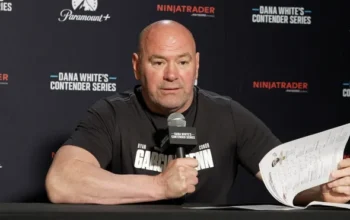
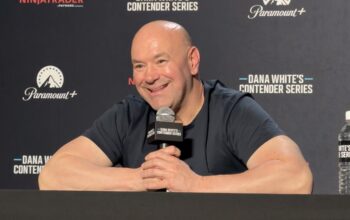
Zuffa Boxing? That’s TKO Group Holdings’ latest play, the same folks who own UFC and WWE. Dana White is steering the ship, and they’ve got Saudi backed events firm Sela along for the ride. The goal? Take boxing, a sport long fragmented and decentralized, and create a more organized, commercially efficient operation.
The concept has been in the works for years. In 2017, during the Mayweather-McGregor buildup, White was asked whether he might shift from MMA to boxing. “No, no, no, I’m not leaving the UFC. I’m getting into boxing with [WME/IMG head] Ari [Emanuel], and the UFC will be doing boxing too,” White told the Los Angeles Times. “It’s still early. We’re still working on it. I’ve got to get my [stuff] together, but I’m getting into boxing, man. It’s coming.”

TKO has outlined a plan to stage 12 to 16 regular boxing cards annually, supplemented with two to four marquee “super fights.” The strategy is twofold: develop a consistent pipeline of emerging talent while leveraging high-profile bouts to generate global revenue. Regular events sustain streaming engagement and subscription retention, while super fights deliver larger pay-per-view paydays and sponsorship opportunities.
Media and Monetization: TKO, Paramount+ and the Streaming Strategy
From a business perspective, the choice of META Apex Las Vegas as the launch venue reinforces the company’s operational strategy. The site functions as a controlled, broadcast-first production hub, allowing TKO to manage costs while maximizing production quality for a global streaming audience. The focus is on scalable media revenue rather than gate receipts.
Zuffa Boxing’s model also prioritizes centralized control over titles, rankings, and matchmaking. By consolidating these elements internally, TKO reduces reliance on legacy sanctioning bodies, simplifies branding, and strengthens negotiating leverage with broadcasters and sponsors.
Zuffa Boxing is Building a League not Just a Fight Card
Unlike traditional promoters, Zuffa Boxing plans to run its own rankings, titles, and internal ecosystem, sidestepping legacy sanctioning bodies such as the WBC, WBA, IBF, and WBO. The company wants fewer belts, fewer champions, and more narrative control over who matters and why.
“If Boxing Was Built Like A Business, Imagine Where It Would Be”
Dana White

Dana White has framed the strategy as a developmental pipeline: identifying prospects, moving them systematically, and engineering clear pathways to superstardom. Callum Walsh, tonight’s headliner, represents that prototype: young, marketable, undefeated, and positioned as a future franchise name.
Legislative Advantage: The Muhammad Ali American Boxing Revival Act
What has the entire boxing world watching is H.R. 4624, the Muhammad Ali American Boxing Revival Act. Before publicly announcing Zuffa Boxing, TKO requested amendments to the Professional Boxing Safety Act of 1996 to allow the creation of Unified Boxing Organizations (UBOs). This legislative change would permit Zuffa Boxing to operate independently of traditional sanctioning bodies, establishing its own world titles and rankings.
Representatives from Zuffa Boxing have emphasized that the bill does not overturn the existing Muhammad Ali Act but enhances it to provide more opportunities for fighters while giving promotions operational flexibility. The bill passed the House Committee on Education and Workforce 30-4 on January 21, 2025, and now requires approval from both branches of Congress.

If enacted, the law could give Zuffa Boxing the same kind of centralized control that helped UFC dominate MMA: controlling matchups, titles, and monetization without interference from fragmented boxing authorities. Investors, promoters, and fighters are closely watching, as this could fundamentally reshape the economics and governance of the sport.
Why the Industry is Watching
The launch of Zuffa Boxing is a calculated business play. Regular events provide a predictable revenue engine, super fights deliver global marquee paydays, and legislative and operational control positions TKO as a potential game-changer for the sport.

For promoters, managers, fighters, and investors, every decision from tonight’s event at the META Apex Las Vegas is being scrutinized. How well Zuffa Boxing executes could determine not only its own success but the future structure and economics of professional boxing.

By leveraging Paramount+, Zuffa Boxing can focus on streaming-first economics rather than traditional gate receipts. The META Apex Las Vegas venue reinforces this strategy: a controlled, broadcast-oriented facility that minimizes overhead while maximizing production quality for a global audience. The card is designed for viewers, not ticket sales, aligning with TKO’s scalable media-first business model.