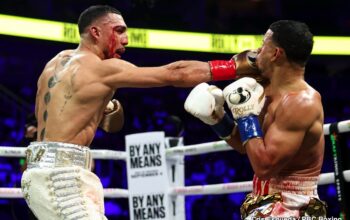
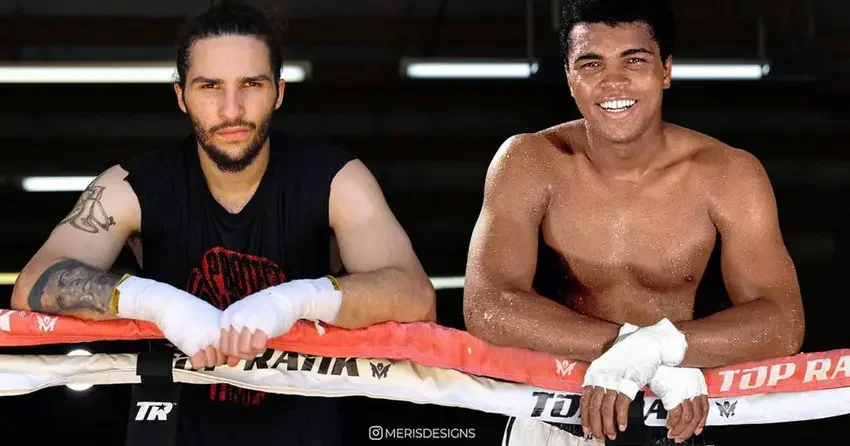
There’s a fight this weekend in Las Vegas.
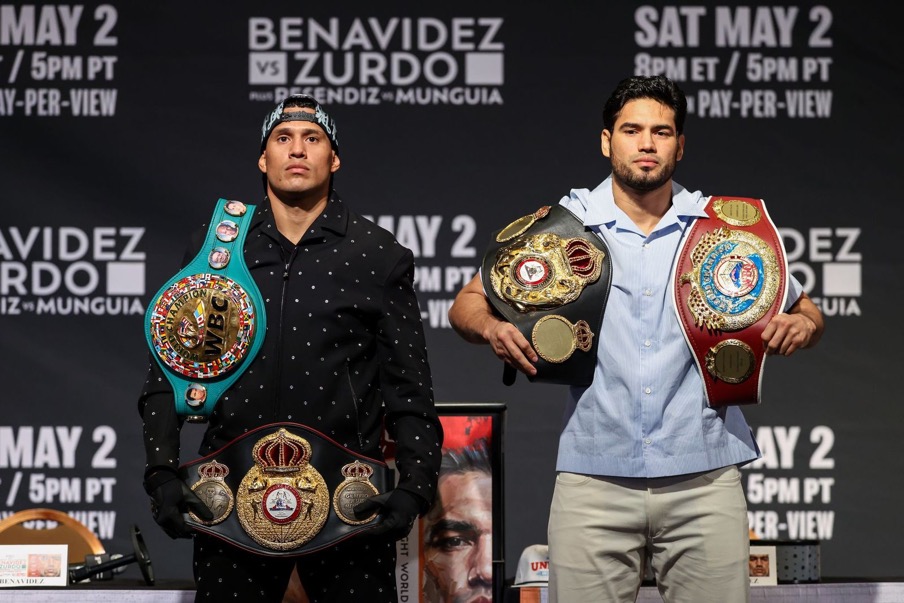
David Benavidez and Gilberto “Zurdo” Ramirez step into T-Mobile Arena with belts, leverage, and the kind of negotiating power that makes boxing what it is.
Somewhere beyond the ropes, another fight is already underway. One that could decide whether nights like this even exist in the same way again.
While Benavidez and Zurdo are fighting for titles, positioning, and paydays shaped by a fragmented system that still bends to the will of the fighter, Nico Ali Walsh is fighting for something less visible and far more permanent.
A structure.
A future.
A name
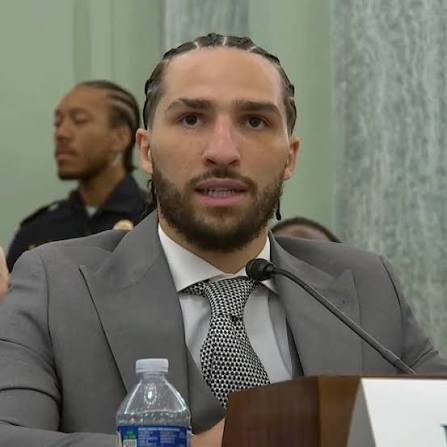
When Ali Walsh walked into Congress to testify this April on the Ali Revival Act, he wasn’t shadowboxing policy. He was protecting something older than any bill.
“I feel purpose. I feel no pressure when it comes to the Revival Act. If it was anybody else’s name, I wouldn’t have the purpose to say something. I mean, as a fighter, I would have the right to speak out, but with it being my grandfather’s name, I definitely can’t go silent.”
That name is Muhammad Ali. In boxing, that name in particular is not about ornamental decoration.
Ali Walsh believes the current proposal does not honor it.
“They should change the name. If the act is going to pass the way that it currently is, that’s not something my grandfather would approve of. They should definitely change the name if they’re going to pass it the way it is.”
The original Ali Act forced promoters to disclose what they actually earned on a fight night. It separated managers from promoters to prevent conflicts. It required transparency in rankings.
It gave fighters information.
Information creates leverage.
Leverage creates money.
“The biggest thing it takes away from fighters is the option to choose. They won’t be able to negotiate with different promoters,” said the 25-year-old.
The Cost of Control
That is where the conversation turns from principle to pay.
A fighter’s income does not stop at the purse.
In boxing, sponsorships are negotiated individually. Trunks, gloves, walkout gear, training camp visibility. Those deals can range from a few hundred to several thousands pet fight. At the elite level, they can reach into the millions across a single fight week.
That money exists because fighters control their own commercial value.
Take that away, Walsh argues, and you shrink the entire earning model.
“If you ask who benefits the most in a system like the UFC, it’s not the fighters. It’s the people who run the show, the stockholders. The fighters don’t benefit the most.”
Somewhere in the middle of all this policy language and financial forecasting is a Las Vegas raised kid who understands odds before outcomes. Nico Ali Walsh grew up in a city where the house always has a position.
There’s a quiet irony in him standing here now, pushing back against a system that feels like a heavy favorite, backed by the financial muscle of Zuffa and its parent company TKO Group Holdings. The line may say the house wins. Ali Walsh is still betting on himself.
From Principle to Pay
Look at Canelo Alvarez on Cinco de Mayo weekend.
Boxing insider, Dan Raphael, told the Sporting News Alvarez earned a reported guaranteed purse estimated between $35 million and $40 million in 2024 fighting Jaime Munguia, before factoring in Pay-Per-View revenue, site fees, and sponsorships were included.
Now compare that to what critics say the Revival Act could create.
A Unified Boxing Organization where one promoter signs a large share of fighters, controls rankings, controls title shots, and controls pay.
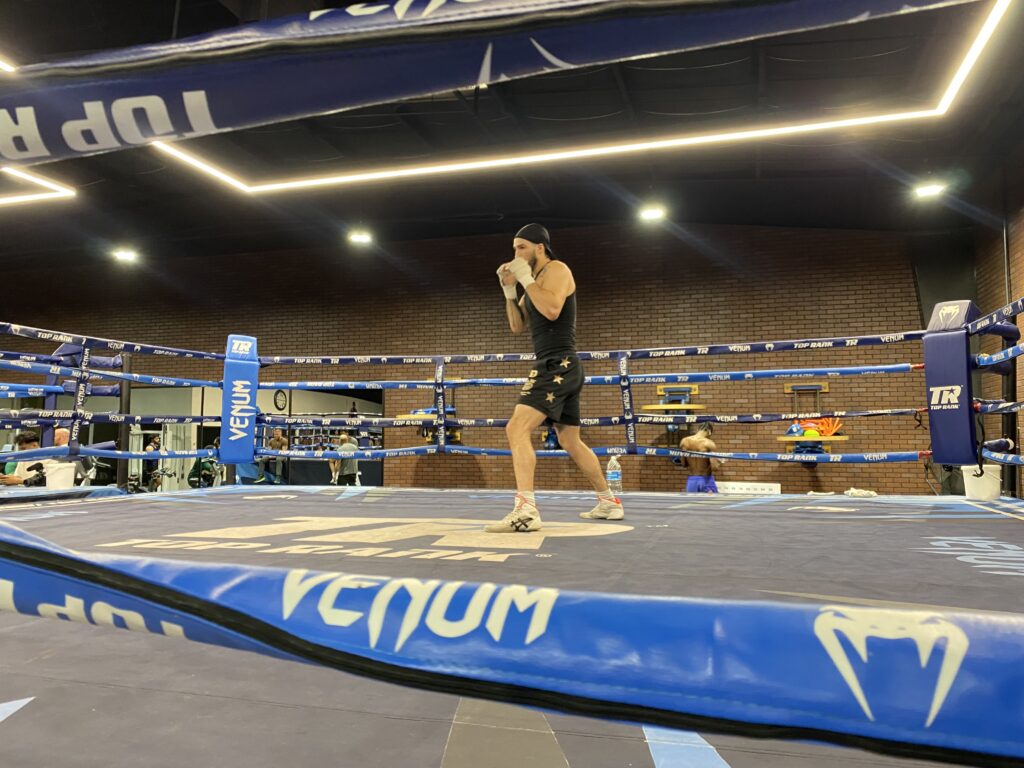
Ali Walsh spoke with Vegas Sports Today during a training session inside of the Top Rank gym in Las Vegas.
The Business of Belts
It starts to resemble the structure built by Zuffa in the Ultimate Fighting Championship (UFC).
A single dominant system.
Centralized sponsorships.
Limited individual negotiation.
“It also doesn’t have the history. Fighters grow up wanting the WBC, the WBA, the WBO. That’s what they dream about. They don’t want a Zuffa belt,” argued Ali Walsh.
Fighting for the Future
That is why this weekend matters.
When David Benavidez faces Gilberto “Zurdo” Ramirez inside T-Mobile Arena in Las Vegas, they are not just fighting for belts. They are operating in a marketplace.
“Fights like that are absolutely dead if the Revival Act passes because the reason that fight is so big is because they are fighting for belts and belts will cease to exist under the system they’re trying to create. It would be one belt, and when you try to sell that, it just doesn’t have history.”
Improved Health Benefits
Ali Walsh does believe there is one positive aspect of the Revival Act. It could improve health protections and bring structure to a fragmented sport. And Walsh agrees on one point.
“The most important part that I believe is actually good is the health benefits. There are a lot of health benefits that they’ve added.”
But he sees those benefits paired with a larger shift toward control.
The TKO Argument
TKO Group Holdings and Zuffa argue the Ali Revival Act brings stronger health protections and more consistent pay structures as long overdue safeguards for athletes.
A unified system, they say, creates clearer paths to the biggest fights, eliminating the politics that delay matchups fans actually want.
“They’ve got a lot of money behind Zuffa. The most money in boxing is behind them right now. And what you’ll see over time is that they’ll monopolize the sport. I don’t want boxing to become a monopoly the same way the UFC became the monopoly in MMA.”
So the grandson of Muhammad Ali speaks.
Not just as a fighter, but as someone who understands what boxing has always been at its core.
A business where the athlete still has a say.
It has to protect the fighter’s ability to choose, to negotiate, and to build something that belongs to them.